

Why Pain Is Delayed After a Car Accident
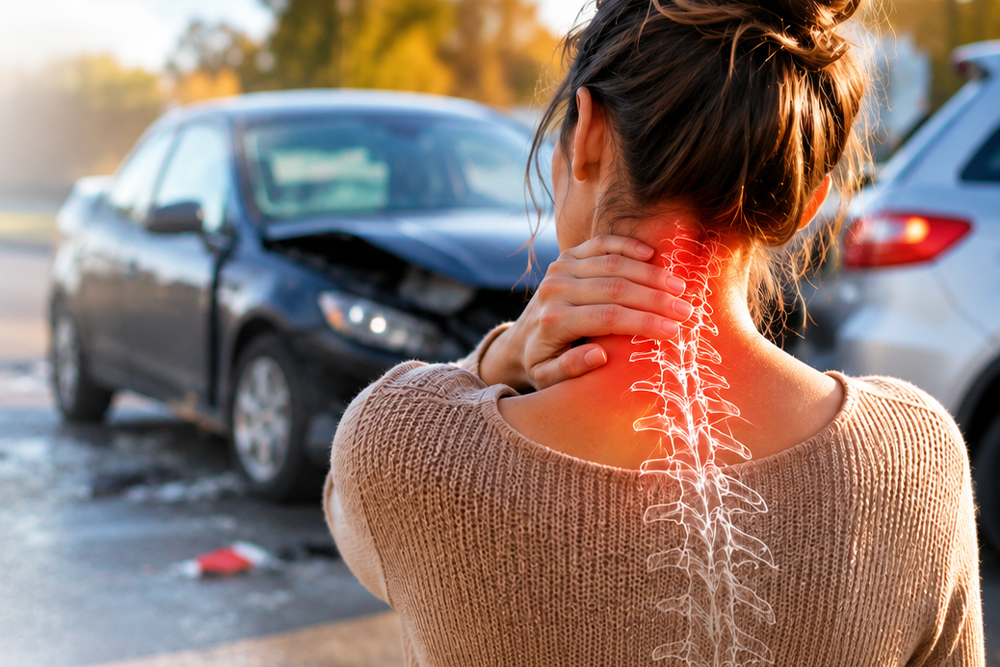
Why You May Feel Fine Immediately After a Collision But Then Wake Up Sore the Next Day
You were involved in a car accident.
At the scene, you felt okay.
Maybe a little shaken up, but nothing seemed seriously wrong.
Then the next morning, your neck felt stiff. Your back tightened up. Headaches started. Turning your head became difficult. Sitting at work suddenly felt uncomfortable.
If this sounds familiar, you're not alone.
Delayed pain is one of the most common experiences following a car accident.
For many patients throughout Indianapolis, Greenwood, Center Grove, and surrounding Southside communities, symptoms don't appear until hours or even days after the collision.
Understanding why this happens can help you recognize injuries early and prevent minor problems from becoming long-term issues.
Is It Normal to Feel Pain Days After a Car Accident?
Yes.In fact, delayed symptoms are often more common than immediate pain following certain accident-related injuries. Many injuries involve:
- Muscles
- Ligaments
- Tendons
- Joints
- Discs
- Nerves
These tissues frequently become inflamed gradually rather than instantly.
As a result, pain may not become noticeable until the body's inflammatory response fully develops.
It's not unusual for symptoms to appear:
- Later that evening
- The next morning
- 2–3 days later
- Sometimes even a week after the accident
Feeling okay immediately after an accident does not necessarily mean you weren't injured.
Why Does Pain Get Worse After a Car Accident?
Several biological processes occur after a collision that can delay symptoms.
Adrenaline Can Mask Pain
Immediately following an accident, your body enters a stress response.Adrenaline and other stress hormones are released to help you react to the situation.
These hormones can temporarily:
- Reduce pain perception
- Increase alertness
- Mask injury symptoms
This is one reason many people tell healthcare providers:
"I felt fine at first."
As adrenaline levels return to normal, underlying injuries often become more noticeable.
Inflammation Takes Time to Develop
Inflammation is part of the body's natural healing process.
When muscles, ligaments, joints, or discs are injured, the body sends fluid and inflammatory chemicals to the affected area.
This process can take hours or days to fully develop.
As inflammation increases, patients often begin noticing:
- Stiffness
- Soreness
- Muscle spasms
- Reduced mobility
- Tenderness
This is one of the primary reasons symptoms frequently worsen after the accident rather than immediately during it.
Soft Tissue Injuries Are Often Delayed
Many accident-related injuries involve soft tissues.These include:
- Muscles
- Ligaments
- Tendons
- Fascia
Unlike fractures or severe trauma, soft tissue injuries often develop gradually.
Symptoms may include:
- Neck tightness
- Lower back pain
- Shoulder discomfort
- Mid-back stiffness
- Headaches
These injuries are commonly associated with whiplash and other acceleration-deceleration forces.
Muscle Guarding Creates Additional Pain
When the body senses injury, surrounding muscles often tighten to protect the area.
This protective response is called muscle guarding.
While helpful initially, muscle guarding may contribute to:
- Stiffness
- Reduced range of motion
- Muscle spasms
- Increased discomfort
Many patients notice this the morning after an accident when they wake up feeling significantly tighter than they did the day before.
What Symptoms Commonly Appear Later?
Delayed symptoms vary depending on the injuries involved.
Common complaints include:
Neck Pain
- Stiffness
- Difficulty turning the head
- Muscle tightness
Lower Back Pain
- Tightness while sitting
- Pain bending forward
- Difficulty standing upright
Headaches
Many post-accident headaches originate from:- Whiplash injuries
- Upper neck dysfunction
- Muscle tension
Patients frequently report headaches beginning 24–72 hours after a collision.
Learn more about Headaches
Shoulder Pain
Seatbelt forces and muscle strain may contribute to:- Shoulder tightness
- Reduced mobility
- Pain reaching overhead
Sciatica & Leg Symptoms
Disc injuries sometimes take time to become symptomatic.Patients may later develop:
- Leg pain
- Tingling
- Numbness
- Weakness
Learn more about Sciatica Treatment
Common Injuries That Cause Delayed Pain
Several injuries are known for delayed symptom onset.
Whiplash
One of the most common accident injuries.Whiplash may cause:
- Neck pain
- Headaches
- Shoulder tension
- Dizziness
- Reduced mobility
Symptoms often peak several days after the accident.
Disc Injuries
The force of a collision may stress spinal discs.This can contribute to:
- Disc bulges
- Herniations
- Nerve irritation
Symptoms may worsen gradually as inflammation develops.
Learn more about Spinal Decompression Therapy
Lumbar & Cervical Sprains
Muscles and ligaments may become overstretched during impact.Patients often notice:
- Stiffness
- Tightness
- Pain with movement
- Reduced flexibility
These injuries commonly worsen during the first few days following a collision.
Why You Shouldn't Wait for Pain to Get Worse
One of the biggest mistakes accident victims make is assuming:
"I'll wait and see if it gets better."
Sometimes symptoms improve.
Many times they don't.
Without proper evaluation, accident injuries may contribute to:
- Chronic neck pain
- Chronic back pain
- Persistent headaches
- Recurring flare-ups
- Disc degeneration
- Long-term mobility restrictions
The sooner injuries are identified, the easier they are often to manage.
Why Early Documentation Matters
Even if symptoms seem mild, early evaluation helps create a clear record connecting your injuries to the accident.
This documentation may become important for:
- Insurance claims
- Medical treatment planning
- Personal injury cases
- Tracking symptom progression
Many patients are surprised by how quickly symptoms evolve after a collision.
Having accurate documentation from the beginning helps protect both your health and your case.
What Should You Do If Symptoms Appear Later?
If you develop symptoms after an accident:
- Monitor changes carefully
- Document new symptoms
- Avoid assuming the pain will disappear on its own
- Schedule an evaluation if symptoms persist or worsen
Even minor collisions can create injuries that become noticeable only after the body's inflammatory response begins.
What to Expect During Your Evaluation
At Emerson Chiropractic, your examination may include:
- Detailed accident history
- Orthopedic testing
- Neurological evaluation
- Postural assessment
- Movement analysis
- Imaging if clinically necessary
The goal is to determine whether symptoms involve:
- Whiplash
- Joint dysfunction
- Soft tissue injury
- Disc involvement
- Nerve irritation
Learn What to Expect During Your First Visit
Frequently Asked Questions
Is delayed pain after a car accident normal?
Yes. Many accident-related injuries do not become painful until hours or days after the collision.Why did I feel fine immediately after the accident?
Adrenaline and stress hormones can temporarily mask pain and injury symptoms.How long after an accident can symptoms appear?
Some symptoms appear within hours, while others may take several days to become noticeable.Should I get checked even if the pain is mild?
Yes. Many serious injuries begin with relatively mild symptoms before progressing over time.Don't Ignore Delayed Pain After a Car Accident
Just because you felt okay at the scene doesn't mean you weren't injured.Neck pain, back pain, headaches, stiffness, and nerve symptoms often develop after the body's initial stress response wears off.
If you're noticing new symptoms after a collision, a thorough evaluation can help identify the cause and determine the most appropriate treatment options.
Schedule Your Personal Injury Evaluation Today
Serving Indianapolis, Greenwood, Center Grove, and Southside Indianapolis communities.



Our Services
Contact Info
Phone: (317) 884-2636
Fax: (317) 884-2633
Hours of Operation
- Monday 9:00am – 12:00pm & 2:00pm – 6:00pm
- Tuesday 1:00pm – 6:00pm
- Wednesday 9:00am – 12:00pm & 2:00pm – 6:00pm
- Thursday 9:00am – 12:00pm
- Friday 9:00am – 12:00pm & 1:00pm – 4:00pm
- Saturday Closed
- Sunday Closed

© 2026 Emerson Chiropractic. All rights Reserved. Accessibility Statement - Privacy Policy - Terms & Conditions - Sitemap
Powered by:
