
What Is Spinal Decompression Therapy?
A Non-Surgical Option for Disc Pain, Sciatica & Nerve Compression in Indianapolis & Greenwood
If you’re dealing with persistent back pain, sciatica, or a disc injury, you may have been told injections or surgery are your next option.
For many patients in Indianapolis, Greenwood, Center Grove, and surrounding Southside communities, spinal decompression therapy offers a conservative, non-surgical approach designed to reduce pressure on spinal discs and irritated nerves.
This treatment is commonly used for:
Herniated discsBulging discs
Degenerative disc disease
Sciatica
Chronic low back pain
Neck pain
Certain cases of spinal stenosis
👉 Learn more about our spinal decompression services
How Does Spinal Decompression Work?
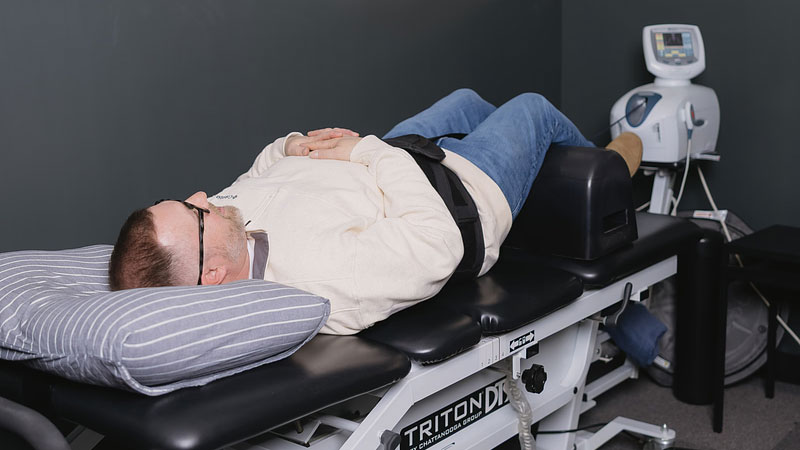
Spinal decompression therapy uses controlled, computer-guided traction to gently stretch the spine in precise cycles.
This process helps:
Reduce pressure inside spinal discs
Decrease stress on irritated nerves
Encourage retraction of bulging disc material
Improve circulation to injured tissues
Promote nutrient and fluid exchange for healing
Unlike older forms of traction, modern decompression therapy uses intermittent force patterns specifically designed to reduce muscle guarding and improve patient comfort.
The goal is not simply temporary pain relief — it is to create an environment that supports healing and improved spinal function.
Why Disc Pain Often Feels Worse Sitting
One of the most common signs of disc involvement is pain that increases with sitting.
Sitting places significantly more pressure on spinal discs compared to standing or walking. This is why many patients notice:
Increased lower back pressure while driving
Pain after desk work
Tightness when standing up from a chair
Relief when changing positions or walking
If your pain worsens with prolonged sitting, disc irritation may be contributing to your symptoms.
What Conditions Benefit Most from Spinal Decompression?
Spinal decompression is especially helpful for conditions involving disc pressure or nerve irritation.
1. Herniated or Bulging Discs
Disc injuries can place pressure on nearby nerves, causing:
Lower back or neck pain
Pain radiating into the arms or legs
Numbness or tingling
Weakness in the extremities
Decompression therapy may help reduce pressure contributing to these symptoms.
2. Sciatica
Sciatica occurs when irritation affects the sciatic nerve, often due to lumbar disc involvement.
Symptoms may include:
Pain shooting down the leg
Burning or tingling sensations
Numbness in the foot or calf
Weakness or instability Reducing disc pressure can often improve nerve-related symptoms.
3. Degenerative Disc Disease
As discs lose hydration and height over time, the spine experiences increased stress and reduced shock absorption.
This can contribute to:
Chronic stiffness
Recurring lower back pain
Limited mobility
Increased joint irritation
4. Chronic Low Back or Neck Pain
Persistent spinal stress can create ongoing inflammation, muscle tension, and mechanical dysfunction. Spinal decompression is often incorporated into treatment plans when symptoms continue despite rest, stretching, or medication.
5. Certain Cases of Spinal Stenosis
Some patients with spinal stenosis may benefit from decompression when symptoms are related to nerve compression and reduced spinal space. A proper evaluation helps determine candidacy.
What Does a Spinal Decompression Session Feel Like?
During treatment:
You lie comfortably on a specialized decompression table
A harness is gently secured around the hips or neck
Controlled traction cycles are applied to the spine
Sessions typically last around 15–20 minutes
Most patients describe treatment as:
Gentle
Relaxing
A mild stretching sensation
Many patients begin noticing changes gradually as pressure and irritation decrease over time.
How Many Sessions Are Usually Needed?
Treatment plans depend on factors such as:
Severity of disc damage
Duration of symptoms
Presence of nerve involvement
Age and overall spinal health
Acute cases may improve within several weeks, while chronic degeneration often requires a more structured treatment plan.
Consistency is important for long-term improvement.
Is Spinal Decompression Safe?
Yes — spinal decompression therapy is considered safe when performed following a proper clinical evaluation.
However, it may not be appropriate for individuals with: ● Severe osteoporosis ● Spinal fractures ● Certain surgical fusions ● Advanced spinal instability ● Specific medical conditions affecting the spine
A thorough examination helps determine whether decompression is appropriate for your condition.
Spinal Decompression in Indianapolis & Greenwood
Many patients across Indianapolis, Greenwood, and Southside communities seek spinal decompression therapy after:
Persistent disc-related pain
Recurring sciatica flare-ups
Failed medication attempts
Difficulty sitting or driving comfortably
Being told surgery may be the next step
In many cases, decompression is combined with:
Chiropractic adjustments
Corrective exercises
Postural retraining
Supportive therapies
👉 Explore our full range of chiropractic services
Not Sure If Your Pain Is Disc-Related?
Disc injuries and muscle strain can feel very similar — but they often require different treatment approaches.
A structured evaluation helps determine:
Whether a disc is involved
If nerve irritation is present
Whether spinal decompression may be appropriate
👉 Learn What to Expect at Your First Visit
Frequently Asked Questions About Spinal Decompression
Is spinal decompression painful? Most patients describe treatment as gentle and comfortable. The therapy is designed to gradually reduce pressure without aggressive force.
Can spinal decompression help sciatica? Yes. Spinal decompression is commonly used when sciatica is related to disc pressure or nerve irritation in the lower back.
How long does a decompression session take? Most sessions last approximately 15–20 minutes, depending on the treatment plan.
Is spinal decompression better than surgery? Many patients pursue conservative care before considering injections or surgery. A proper evaluation helps determine the best approach for your condition.
When Should You Consider Spinal Decompression?
You may benefit from decompression therapy if:
Pain radiates into the leg or arm
Sitting increases discomfort
You’ve been diagnosed with a disc bulge or herniation
Conservative care alone has not resolved symptoms
Numbness or tingling is present
Early intervention may help reduce progression and improve long-term spinal function.
Looking for Non-Surgical Disc Pain Relief?
If back pain, sciatica, or nerve symptoms are limiting your daily life, spinal decompression therapy may be worth exploring.
👉 Schedule Your Evaluation Today
Serving Indianapolis, Greenwood, Center Grove, and surrounding Southside communities.


Our Services
Contact Info
Phone: (317) 884-2636
Fax: (317) 884-2633
Hours of Operation
- Monday 9:00am – 12:00pm & 2:00pm – 6:00pm
- Tuesday 1:00pm – 6:00pm
- Wednesday 9:00am – 12:00pm & 2:00pm – 6:00pm
- Thursday 9:00am – 12:00pm
- Friday 9:00am – 12:00pm & 1:00pm – 4:00pm
- Saturday Closed
- Sunday Closed

© 2026 Emerson Chiropractic. All rights Reserved. Accessibility Statement - Privacy Policy - Terms & Conditions - Sitemap
Powered by:
