

Posture Reset: How to Fix Poor Posture and Reduce Neck & Back Pain Chiropractic Care in Indianapolis & Greenwood
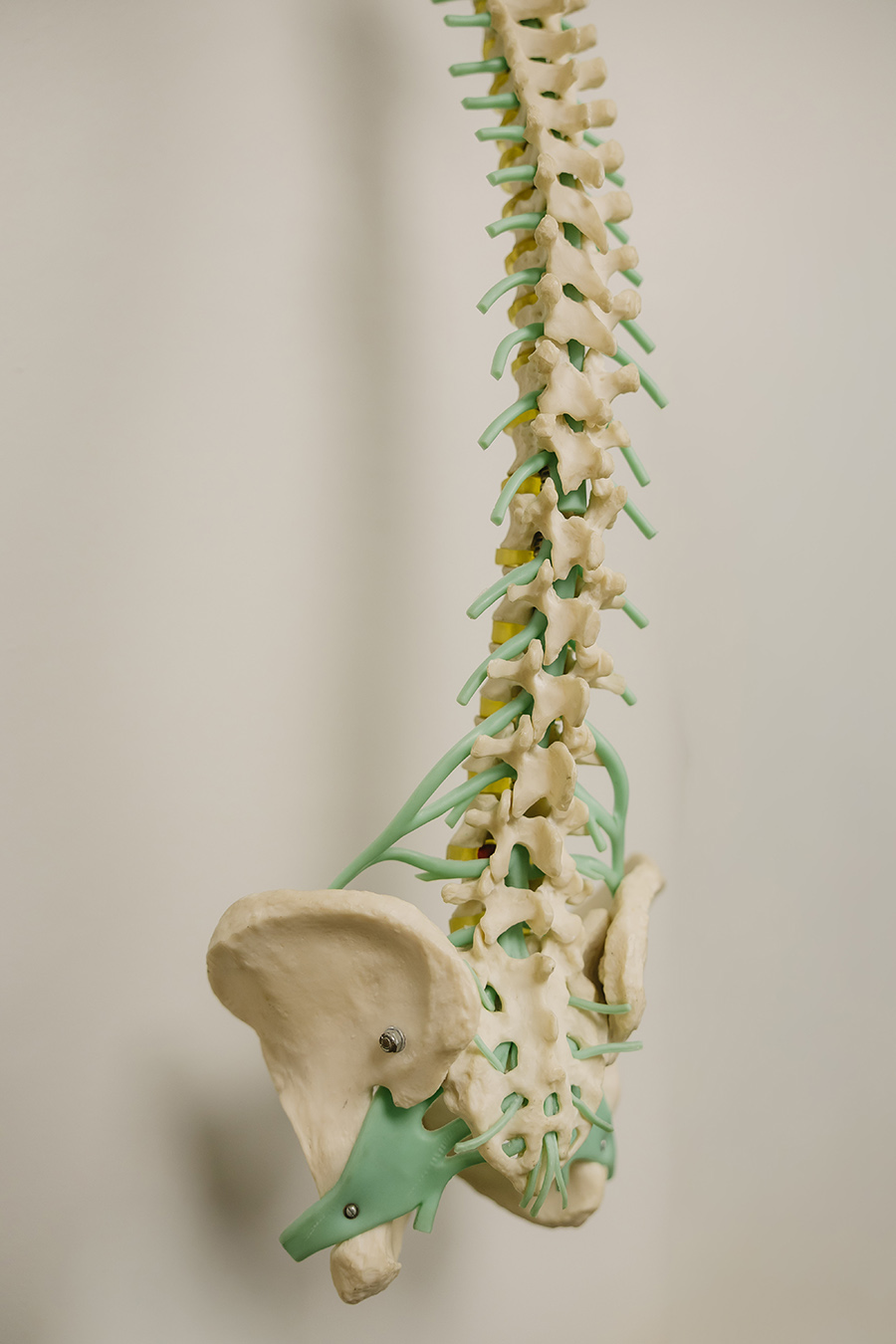
Poor posture doesn’t happen overnight — it develops gradually through daily habits like sitting, screen use, and repetitive movements.
Over time, these habits can lead to stiffness, tension, and ongoing discomfort in the neck, shoulders, and upper back.
Many patients across Indianapolis and Greenwood don’t realize how much their posture is affecting their pain, mobility, and overall function until symptoms begin to interfere with daily activities.
Signs Your Posture Needs Attention
Posture-related issues often show up as:
Neck stiffness or tightness, especially after sitting
Rounded shoulders or a forward head position
Upper back discomfort or fatigue
Frequent tension headaches
Feeling stiff or restricted when moving
These symptoms are often worse after long periods of sitting or screen use.
What Causes Poor Posture?
Modern lifestyles place constant stress on posture through:
Prolonged sitting (work, driving, relaxing)
Frequent phone and computer use
Limited movement throughout the day
Repetitive positions and habits
Over time, this can lead to:
Forward head posture (increased strain on the neck)
Muscle imbalances (tight chest, weak upper back)
Joint restriction in the spine and shoulders
How to Reset Your Posture
Improving posture isn’t about forcing yourself into a perfect position — it’s about restoring balance and movement.
Start with these strategies:
Take movement breaks every 30–60 minutes
Strengthen postural muscles (upper back, shoulders, core)
Adjust your workstation ergonomics
Keep screens at eye level
Stay aware of your posture throughout the day
Consistency matters more than perfection.
How Chiropractic Care Helps Posture
Posture problems are often not just muscular — they involve how your joints move and function.
Chiropractic care can help by:
Restoring proper spinal alignment
Improving joint mobility
Reducing muscle tension and compensation patterns
Supporting long-term postural correction
When combined with strengthening and habit changes, this leads to more lasting results.
When Should You Seek Help?
You should consider a chiropractic evaluation if:
Neck or upper back pain is persistent
Headaches are becoming more frequent
You feel limited in movement or mobility
Posture changes are difficult to correct on your own
Learn more about neck pain treatment
Not Sure What’s Causing Your Pain?
Posture-related discomfort can come from:
Muscle imbalance
Joint restriction
Early disc or nerve irritation
An evaluation helps identify the root cause and guide the right treatment plan.
Learn What to Expect at Your First Visit
Improve Your Posture & Move Better
Better posture isn’t just about standing taller — it’s about reducing stress on your body so you can move, work, and live without discomfort.



Our Services
Contact Info
Phone: (317) 884-2636
Fax: (317) 884-2633
Hours of Operation
- Monday 9:00am – 12:00pm & 2:00pm – 6:00pm
- Tuesday 1:00pm – 6:00pm
- Wednesday 9:00am – 12:00pm & 2:00pm – 6:00pm
- Thursday 9:00am – 12:00pm
- Friday 9:00am – 12:00pm & 1:00pm – 4:00pm
- Saturday Closed
- Sunday Closed

© 2026 Emerson Chiropractic. All rights Reserved. Accessibility Statement - Privacy Policy - Terms & Conditions - Sitemap
Powered by:
